Welcome to the Unseen World
Beneath the quiet skies of the North West of England lie places where memory, art, and time converge—graveyards and cemeteries that hold both history and mystery. Unseen World is a journey into these sacred landscapes, revealed through the spectral lens of infrared and black-and-white infrared photography, while my good lady wife will be adding water colour pictures along side photographs.
Each visit uncovers more than stone and inscription. Angels, urns, and weathered carvings emerge in ghostly light, their details transformed into visions both haunting and beautiful. Through my photographs and reflections, I’ll share not only the art and atmosphere of each site, but also the stories they whisper to those who pause to look closer.
This is a space for those drawn to the poetry of silence, the artistry of remembrance, and the unseen beauty that infrared photography reveals. Join me and my Good Lady wife as we wander through churchyards, cemeteries, and memorial grounds across the region—capturing their hidden light and sharing reviews of the places where the past still lingers.
Step into the Unseen World—where history glows, shadows speak, and the ordinary becomes extraordinary.
✒️ Unseen World
Beneath the yew, where shadows sleep,
The stones their silent vigils keep.
Names half-faded, carved in stone,
Whisper of lives once flesh and bone.
Through unseen light the marble gleams,
A spectral glow, a world of dreams.
Angel’s shimmer, wings of white,
Unveiled by ghostly infrared sight.
The grass is silver, skies are pale,
Time drifts by like a mournful tale.
Yet in this hush, the past still sings,
Of love, of loss, of endless springs.
So, walk with me where silence stays,
Through veiled light and haunted ways.
For in each grave, each sculpted art,
The unseen world reveals its heart.

You can email at. unseen-infrared@protonmail.com
Comment Policy
This space is a quiet threshold between worlds. I welcome thoughtful reflections, respectful dialogue, and observations that deepen the mystery.
Unkind words, spam, or distractions from the atmosphere will be removed without hesitation.
By leaving a comment, you step into the Unseen World—please tread with thoughtfulness.
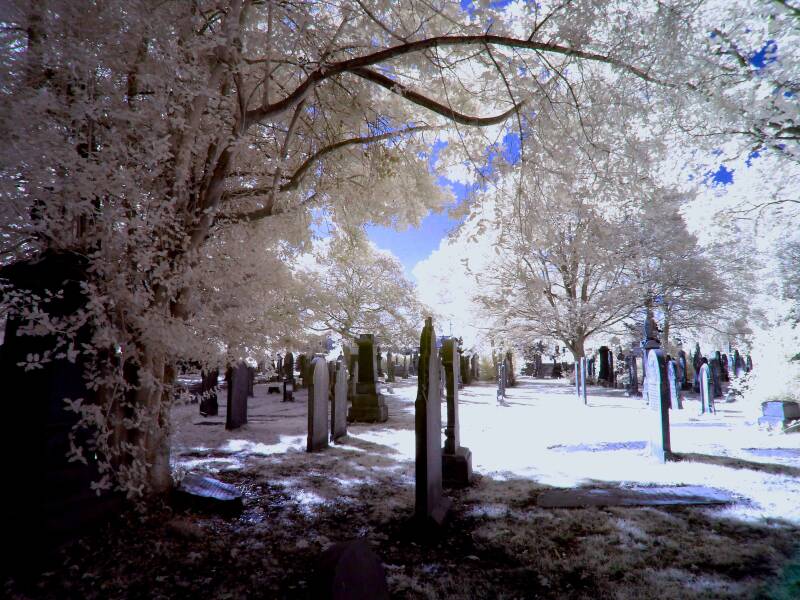
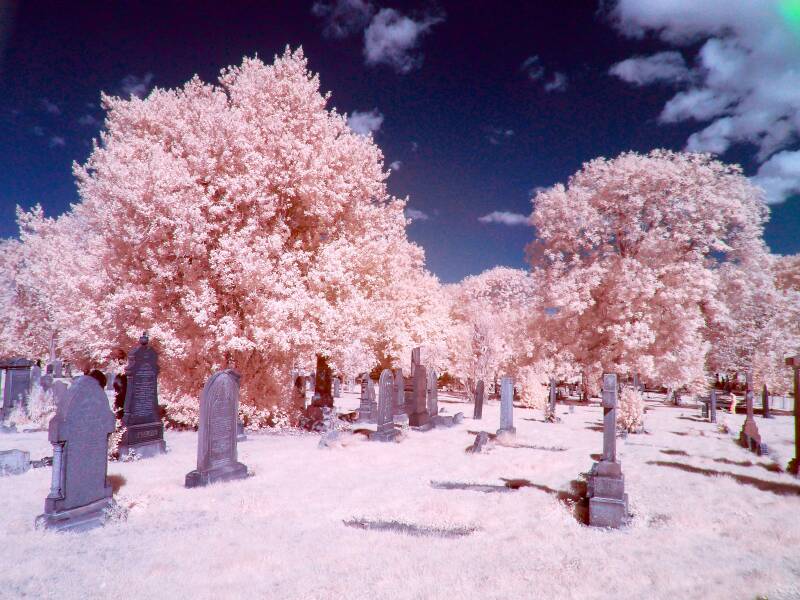
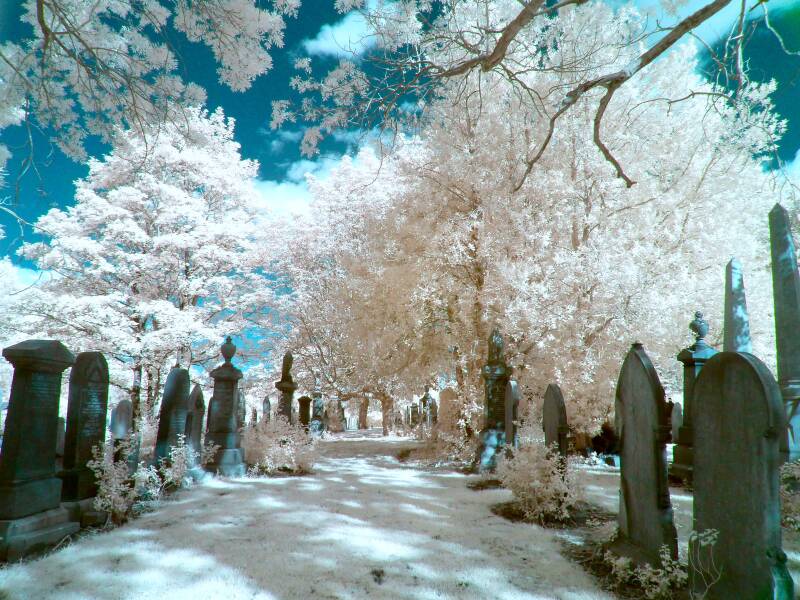
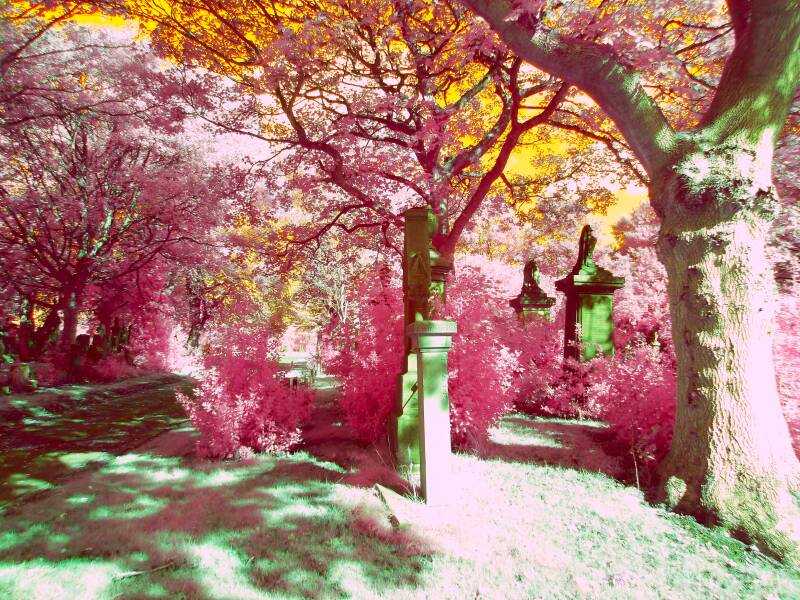
Chadderton Cemetery
Chadderton Cemetery opened in 1857.
The cemetery was designed by Manchester architect N G Pennington, who also designed Greenacres Cemetery in Oldham.
There are lots of beautiful walks through the cemetery, with plantings and many fine monuments.
Lots of very old headstones, stone crosses, statues and a spooky old Chapel that is in a bad state of repair and unfortunately you can not get inside.
Worth a visit if your in the Oldham area Postcode is
OL9 0JZ
Historic Significance
Chadderton Cemetery is a Grade Two site of national importance on the English Heritage Register of Parks and Gardens of Special Historic Interest in England.
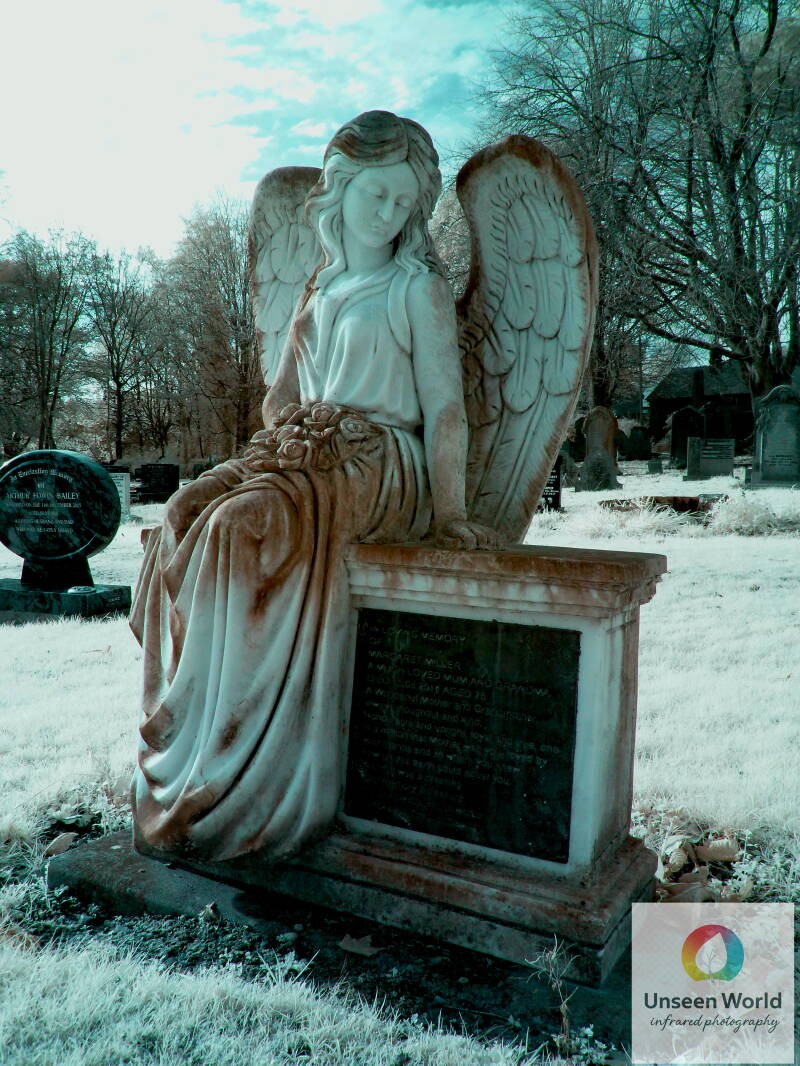
A small selection of Infrared pictures in Chadderton Cemetery Oldham.
If You like them Please leave a comment or drop me an email. unseen-infrared@protonmail.com
See you at the next one.




Ramsbottom Cemetery
Established: 1854, during the Victorian era, to accommodate the growing population of Ramsbottom amid industrial expansion.
Location: Situated off Cemetery Road, near the town centre, with views toward Holcombe Hill and Peel Tower.
Original layout: Designed in the garden cemetery tradition, with winding paths, mature trees, and separate sections for different denominations.
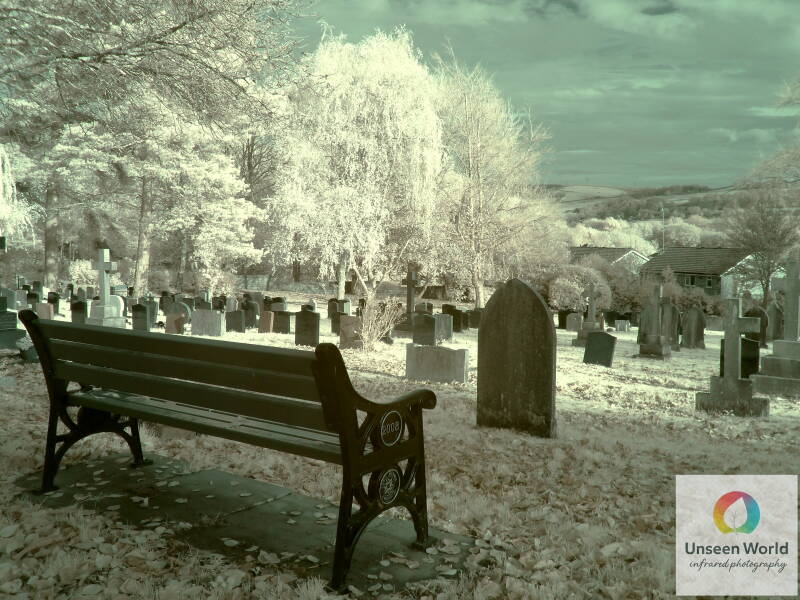
Not very big but some nice Headstones and worth a visit if your in the area.
If You like them Please leave a comment or drop me an email. unseen-infrared@protonmail.com
See you at the next one.





Fleetwood Ship Graveyard: A Maritime Memory
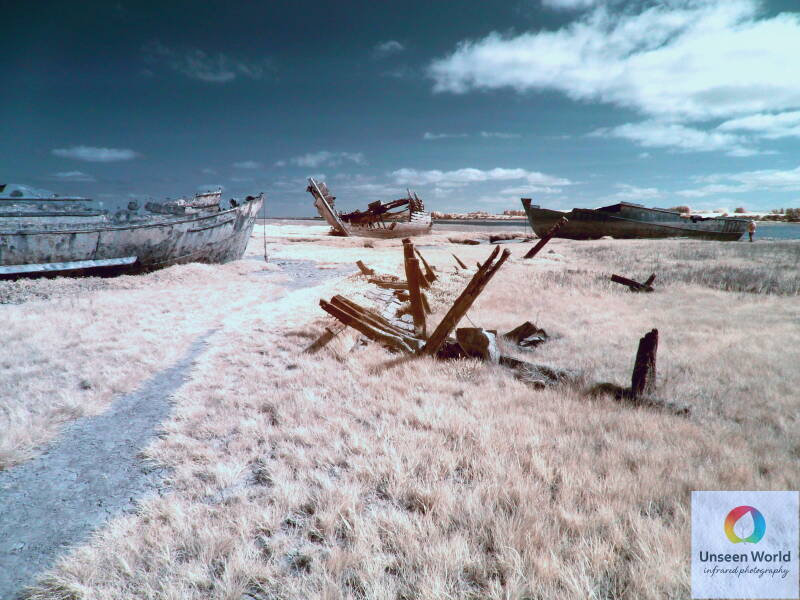
Fleetwood’s shipwreck history is a haunting blend of industrial decline, stormy seas, and maritime legacy. The most iconic site is the Fleetwood Ship Graveyard on the River Wyre, where abandoned vessels silently decay.
Fleetwood Ship Graveyard: A Maritime Memory
Location: Banks of the River Wyre near Fleetwood, Lancashire.
Origins: Many vessels were deliberately grounded or abandoned here from the mid-20th century onward, especially as Fleetwood’s fishing and shipping industries declined.
Types of Ships: Includes fishing trawlers, tugboats, cargo ships, and dredgers—each with its own story of service and retirement.
Purpose: Some ships were sunk intentionally to act as breakwaters or training platforms; others were simply left to rot when they became obsolete or uneconomical to repair.
Wildlife Haven: Over time, the wrecks have become habitats for birds including a Gulp of swallows living in one of the wrecks, adding ecological value to their eerie beauty.
“Fleetwood’s Wake”
The tide retreats with iron breath,
its lungs full of salt and silence.
Along the Wyre, the hulls remain—
not ships, but shadows of ships.
Their names are worn to whispers,
paint peeled like old confessions.
Rivets rust in prayerful rows,
keels bowed beneath the weight of memory.
Sirene dreams in Norwegian sighs,
her masts now roosts for gulls.
Travers, lace-laden, sleeps in silt,
her cargo long since claimed by tide and tale.
Each wreck a stanza in the river’s hymn,
each bolt a note of longing.
They do not sail, but they still speak—
in creaks, in echoes, in the hush of dusk.
So walk the shore with reverence,
where Fleetwood’s fleet lies still.
The sea forgets, but the river remembers—
and the wrecks remember more.
If You like them Please leave a comment or drop me an email. unseen-infrared@protonmail.com
See you at the next one.

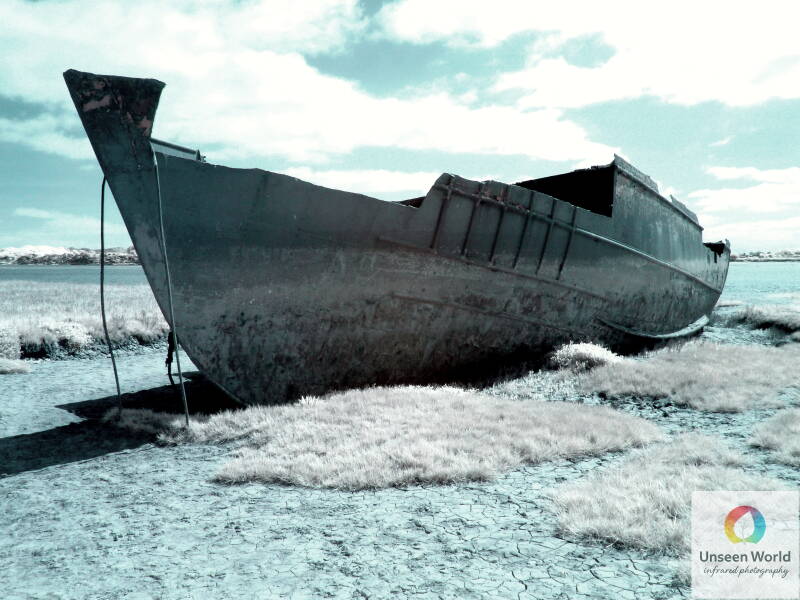

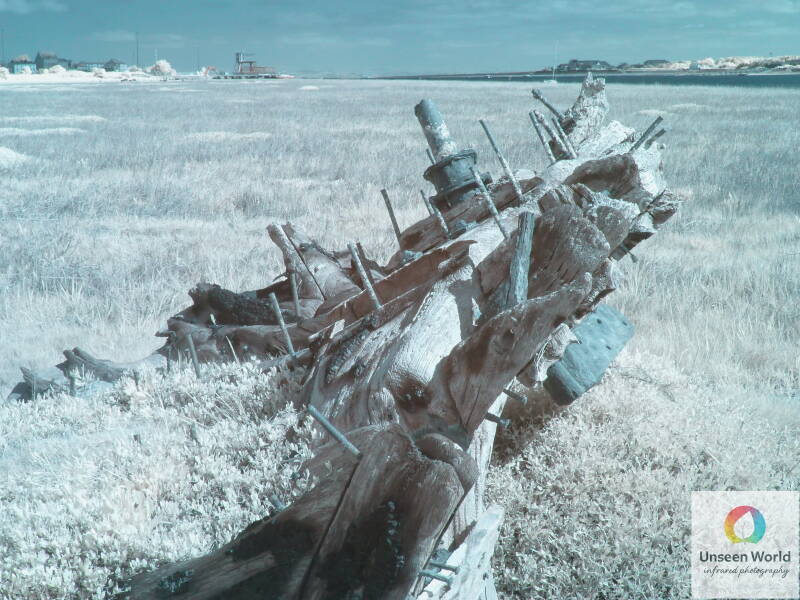


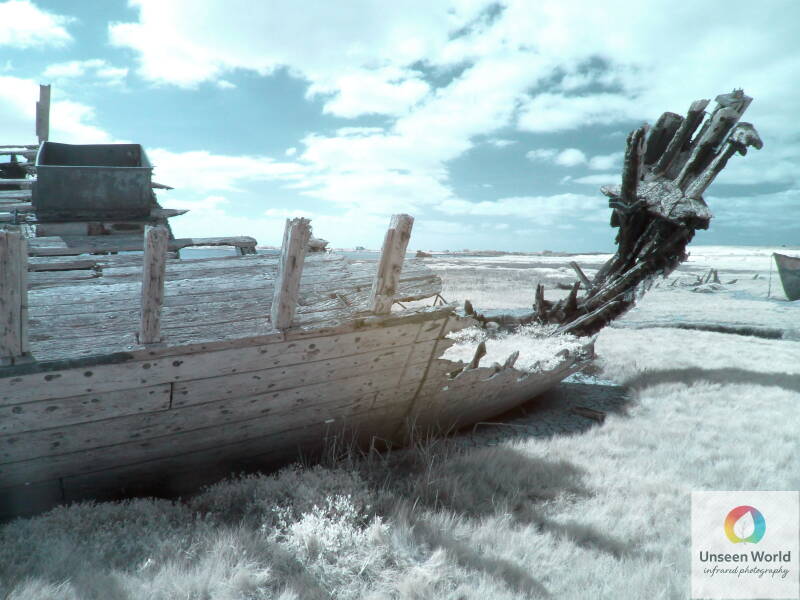


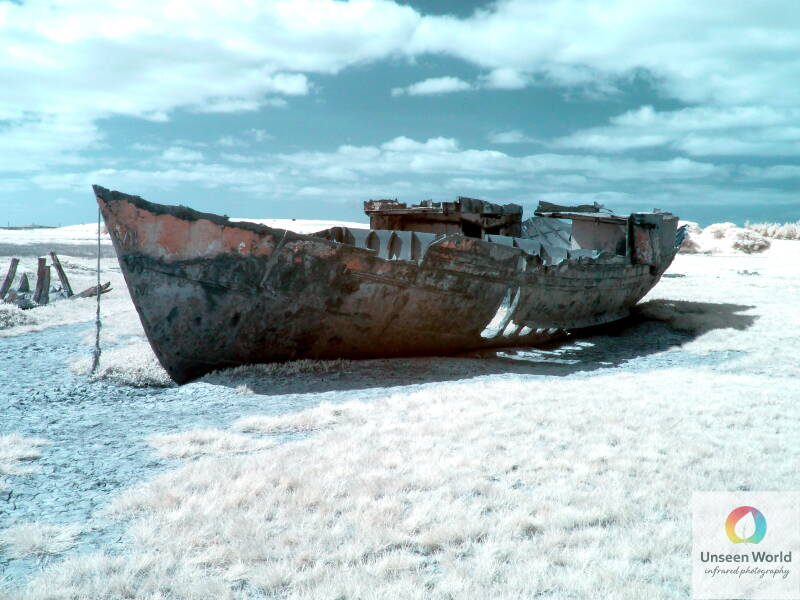


As i Mentioned above here are a few water colour pictures from the good lady wife, more to come soon.


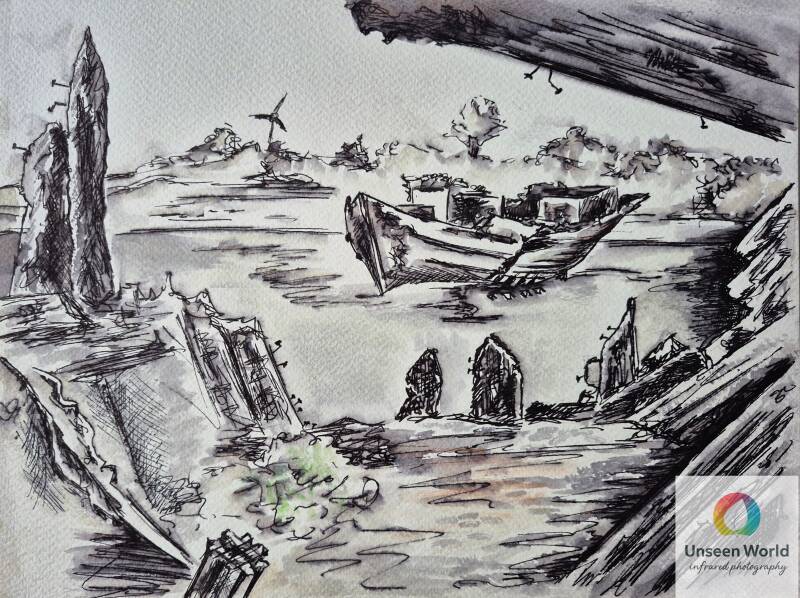
Please feel free to leave a comment or drop me an email.
See you at the next one.
Comments
Add comment